
As temperatures drop and winter approaches, preparing your home for colder weather becomes a priority. While checking insulation, sealing drafts, and servicing your heating system are common seasonal tasks, maintaining good indoor air quality is just as important.
During the winter months, homeowners typically spend more time indoors with windows and doors closed to conserve heat. This can limit fresh outdoor air entering the home, allowing dust, pet dander, and other airborne particles to accumulate.
For more information, read: Winter & Indoor Air Quality: Why Cold Weather Can Mean Dirtier Air at Home
A few proactive steps can help improve indoor air quality, support HVAC efficiency, and keep your home comfortable throughout the heating season.
1. Replace Your HVAC Air Filter Before Winter
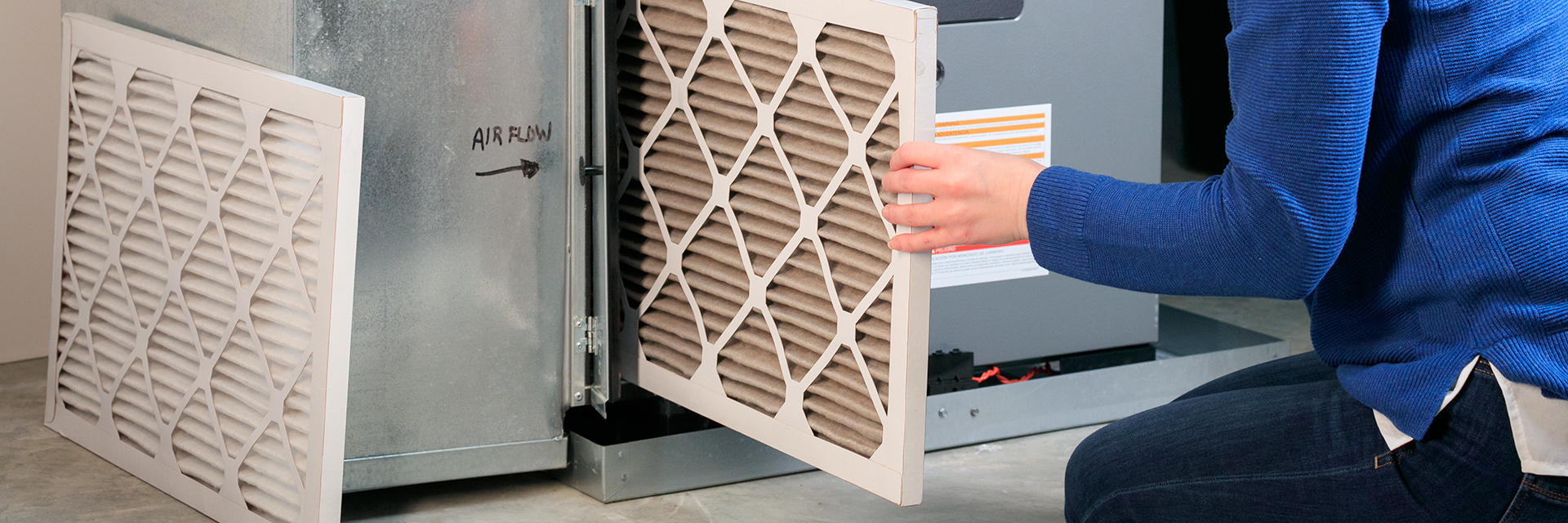
One of the simplest ways to prepare your home for winter is to inspect and replace your HVAC air filter.
Your home's heating and cooling system circulates air throughout your living spaces. As air passes through the filter, airborne particles such as dust, pollen, and pet dander are captured, helping reduce the amount recirculating through your home.
Over time, these particles accumulate on the filter. A dirty or clogged air filter can restrict airflow, forcing your heating system to work harder to maintain the desired temperature. This can increase energy consumption and place unnecessary strain on HVAC equipment.
Check your air filter monthly and replace it according to the manufacturer's recommendations. Many residential filters require replacement every 60 to 90 days, although homes with pets, higher dust levels, or frequent HVAC operation may need more frequent changes.
2. Schedule Preventive Heating System Maintenance
Before colder temperatures arrive, schedule a professional HVAC inspection to ensure your heating system is ready for increased demand.
Routine furnace or heat pump maintenance can help identify potential issues before they become costly repairs. An HVAC technician can inspect electrical connections, check system components, evaluate airflow, and confirm that equipment is operating properly.
Preventive maintenance can also help maintain heating efficiency, support consistent indoor comfort, and reduce the likelihood of unexpected equipment problems during winter.
3. Seal Drafts and Improve Home Energy Efficiency
Cold air entering through gaps around windows, doors, and other openings can make your heating system work harder to maintain comfortable temperatures.
Inspect your home for drafts and consider weatherstripping, caulking, or other appropriate sealing methods to reduce unwanted air leakage.
Also check attic insulation and accessible ductwork for potential areas of heat loss.
These improvements can help maintain more consistent indoor temperatures and reduce unnecessary heating energy consumption.
However, reducing uncontrolled air leakage should be accompanied by adequate ventilation to maintain healthy indoor air quality.
4. Maintain Proper Ventilation and Indoor Humidity
When temperatures fall, keeping windows closed helps retain heat, but indoor pollutants can accumulate without adequate ventilation.
Use kitchen and bathroom exhaust fans that vent outdoors to help remove moisture and pollutants generated by cooking, showering, and other household activities.
Winter air can also contribute to dry indoor conditions. Monitor humidity levels and adjust as needed for comfort while avoiding excessive moisture that can encourage mold growth.
Combining appropriate ventilation, humidity management, and air filtration helps create a healthier indoor environment.
5. Choose the Right Air Filter for Your Home
Not all residential air filters provide the same level of particle capture. Understanding a filter's Minimum Efficiency Reporting Value (MERV) rating can help homeowners make informed decisions. AAF offers a range of residential pleated filters with different MERV ratings to address household filtration needs.
Higher MERV ratings generally indicate greater efficiency at capturing smaller airborne particles. However, the filter must also be compatible with your HVAC system's airflow requirements.
Selecting an appropriately rated filter and replacing it regularly can help balance particle removal with reliable heating system performance.
Prepare Now for a More Comfortable Winter
Preparing your home for winter involves more than keeping cold air outside. Regular HVAC maintenance, timely air filter replacement, proper ventilation, and improved energy efficiency all contribute to a comfortable indoor environment.
Taking these steps before temperatures drop can help your heating system operate efficiently while supporting cleaner indoor air throughout the winter months.
As colder temperatures arrive and families spend more time indoors, maintaining clean indoor air becomes an important part of preparing your home for winter. AAF’s NaturalAire® pleated air filters are designed to capture everyday particles like dust, lint, pollen, and pet dander, helping reduce airborne particles circulating through your HVAC system. Before the winter heating season begins, explore the full range of NaturalAire pleated filters and choose the right MERV rating for your home, your system, and your indoor air quality needs.


