
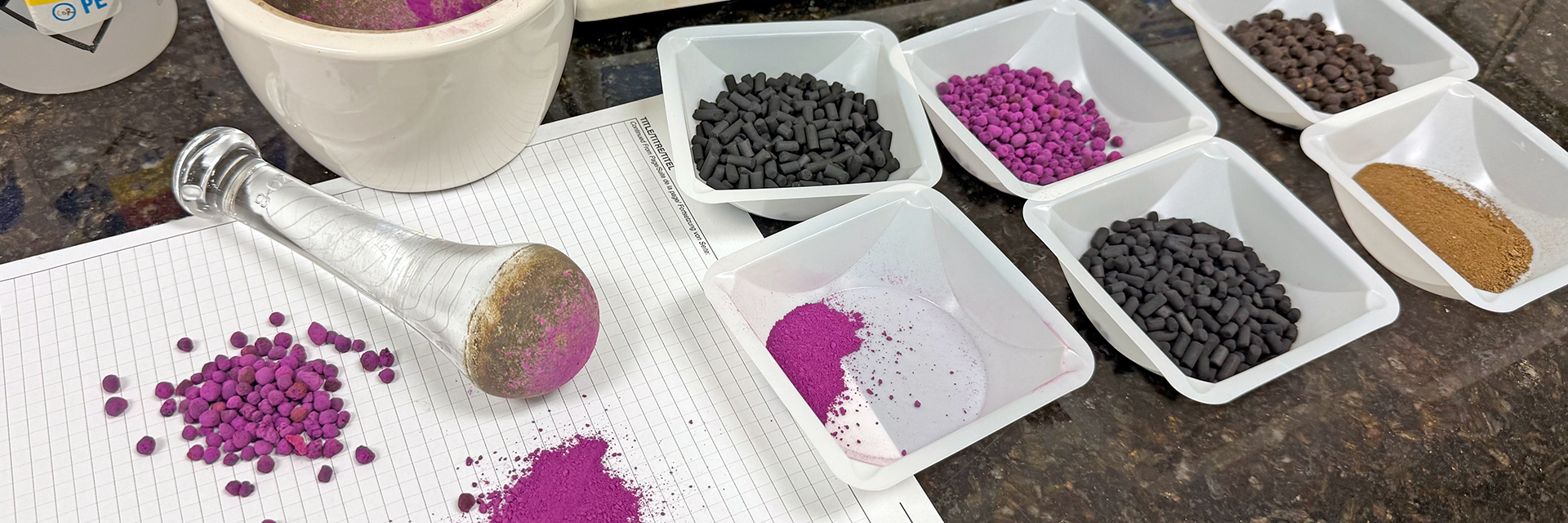
AAF’s Clean AIR Center provides carbon media (gas-phase) and corrosion testing services designed to help organizations evaluate molecular contamination, optimize carbon media replacement schedules, and identify corrosion risks before they impact critical operations.
Gas-phase filtration, also commonly referred to as carbon filtration, uses carbon and other adsorbent media to remove gases and vapors from the air. These contaminants can contribute to odors, corrosion, process contamination, and risks to people or critical equipment.
From carbon media remaining life analysis to Reactivity Monitoring Coupons (monitoring strips used to evaluate the corrosivity of an environment), our testing services help transform environmental conditions and media performance data into practical guidance that supports cleaner, safer, and more reliable operations.
When You Should Consider Testing
Testing can provide valuable answers when:
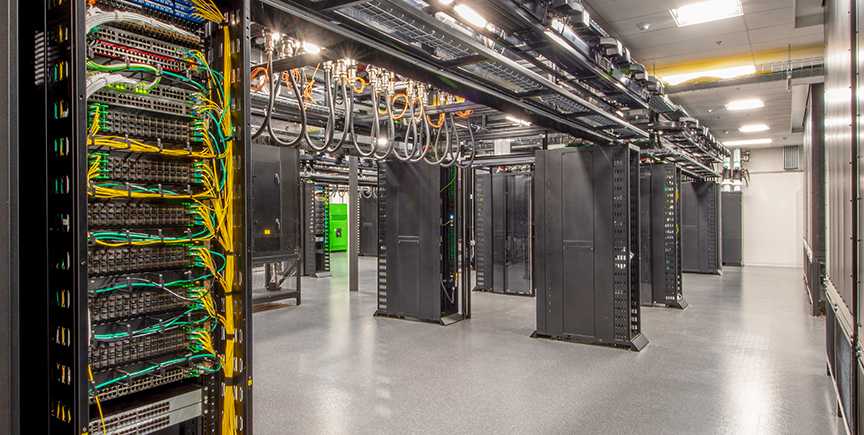
Industries We Support
Carbon media and corrosion testing can support a wide range of environments where molecular contamination, corrosion, odor, or media life may impact performance, reliability, or operating costs.
Common applications include:
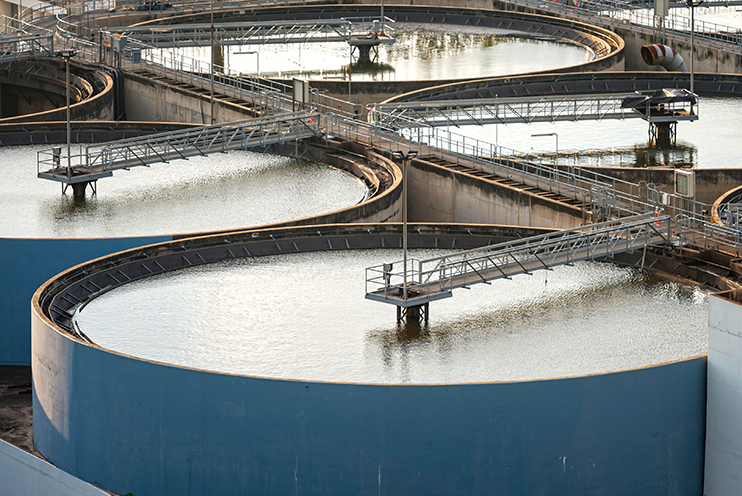
Carbon Media Remaining Life Analysis
Replacing carbon media too early increases operating costs. Replacing it too late can reduce system effectiveness and expose critical assets to gaseous contaminants.
Remaining life analysis helps determine how much gas-holding capacity remains in your media so replacement decisions can be based on data rather than estimates.
Benefits include:
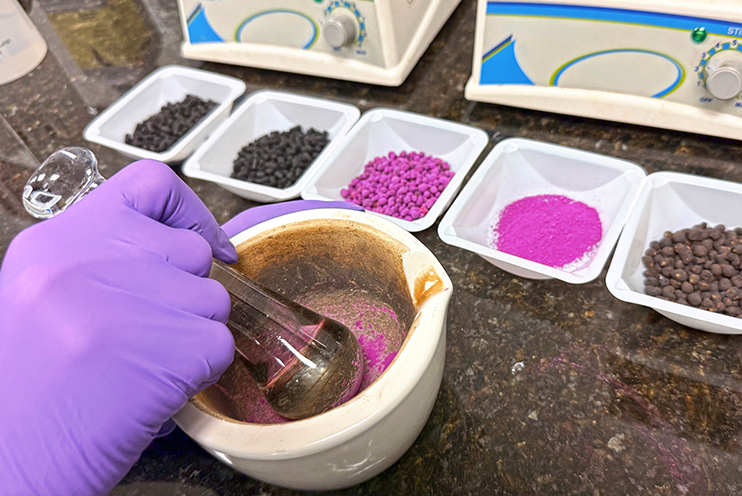
Reactivity Monitoring Coupons (RMC)
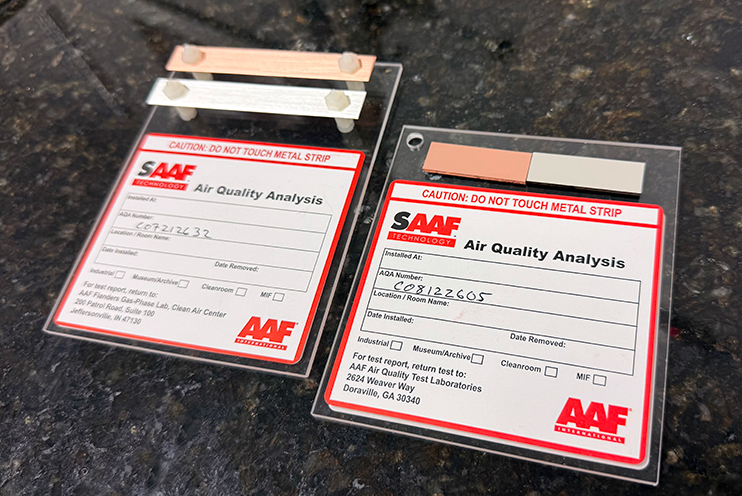
Reactivity Monitoring Coupons are small, specially prepared monitoring strips used to help determine whether corrosive gases are present in an environment and the potential risk they may pose to equipment and operations.
Copper and silver monitoring strips are placed within the facility for a specified period and then analyzed at AAF’s Clean AIR Center. Changes to the strips provide insight into the level and type of corrosive contamination present in the environment.
RMC analysis can help determine:
These results can help your team better understand corrosion risks and make more informed decisions about filtration, maintenance, and equipment protection. AAF can also help interpret the findings and recommend appropriate next steps based on your facility’s conditions.
Laboratory analysis is included with each coupon.
Request Testing
Need help evaluating filter performance, investigating a field issue, or better understanding particulate or biological contaminants in your environment?
Complete the form below to tell us about your application and what you are trying to resolve. An AAF representative will review your information and contact you to discuss your concern, gather any additional details, and determine the appropriate next steps.
Once the testing needs and required materials have been identified, your AAF representative will coordinate with the Clean Air Center to arrange sample submission and testing.
Not sure which type of testing you need? Describe the concern, observed issue, testing objective, or decision the results will support. Your AAF representative will help determine the appropriate testing pathway.


