
Article Summary:
It’s time to get serious about advanced filtration at layer farms
Full article by: Rob Langenhorst, Technical Sales Manager at AAF International
Highly Pathogenic Avian Influenza (HPAI) H5N1 continues to pose a serious and recurring threat to U.S. poultry operations, particularly layer and pullet farms. As migratory waterfowl move through North America each year, the risk of virus introduction increases dramatically, often resulting in devastating flock losses, production shutdowns, and significant economic disruption across the food supply chain.
HPAI is a highly contagious virus that spreads through aerosolized droppings, saliva, nasal secretions, contaminated equipment, footwear, and poultry movement. Wild birds can carry the virus without showing symptoms, allowing it to travel long distances and infiltrate poultry barns despite traditional biosecurity measures. Once inside a facility, HPAI can cause sudden death, severe illness, reduced egg production, and mass euthanasia of birds.
The economic consequences can be catastrophic. In one documented case, a layer farm lost all egg production for an entire year following multiple HPAI outbreaks, eliminating weekly output of up to 60,000 dozen eggs. Beyond lost revenue, farms face high costs for depopulation, disposal, cleaning, and restocking, while downstream industries such as pet food manufacturing also suffer supply shortages.
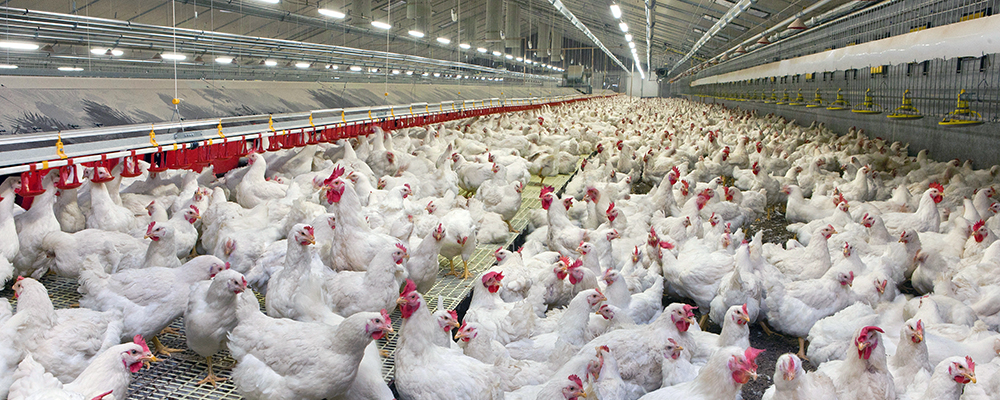
While no single solution can completely eliminate the risk of HPAI, a layered prevention strategy is essential. Strong biosecurity practices and proper barn ventilation are foundational, but they do not fully address airborne virus entry. This is where advanced air filtration becomes a critical tool. Although poultry-specific filtration studies are limited, research from the swine industry demonstrates that commercial air filtration systems can reduce airborne virus outbreaks by more than 50%, offering a compelling model for poultry operations.
From a return-on-investment standpoint, advanced filtration systems can pay for themselves quickly. For a high-producing layer farm, the cost of installing filtration could be recouped in weeks—or even days—compared to the financial devastation of a single HPAI outbreak.
The article also raises broader industry questions around prevention versus reaction. Rather than relying primarily on government compensation after outbreaks, proactive investments—such as grants or low-interest loans for ventilation and filtration upgrades—could improve flock health, stabilize egg prices, and reduce food supply disruptions. Vaccines remain uncertain due to constant virus mutation, reinforcing the need for infrastructure-based prevention strategies.
Ultimately, protecting poultry farms from HPAI requires a proactive, systems-based approach. By combining biosecurity, optimized ventilation, and advanced filtration, the poultry industry can better safeguard animal health, maintain egg production, and ensure a stable, reliable food supply.
Read the full version of this article here.
Cleaner, safer poultry barns require filtration solutions designed to reduce airborne disease risk. With proven expertise in high-efficiency air filtration, AAF helps layer and pullet farms strengthen biosecurity, protect flock health, and support consistent production. Contact an AAF representative to explore advanced filtration solutions tailored to your operation.


